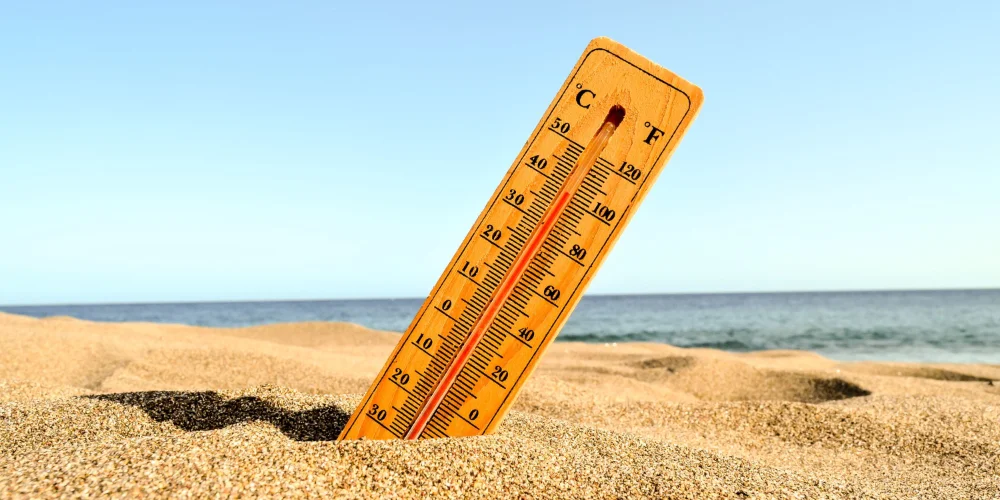
Are we experiencing an exceptional summer or a glimpse of a new reality? All signs point to the latter. The summer of 2026 is bringing record-breaking temperatures to Spain and much of Europe, with days exceeding 40°C, nights that offer little relief and heatwaves that are becoming longer and more intense.
Although summer has always been associated with high temperatures, what we are experiencing this year goes far beyond the norm. Atmospheric conditions have favoured the arrival of very warm air from North Africa, but scientists agree that climate change is making these episodes more frequent, more intense and longer-lasting.
The consequences are already visible. Extreme heat affects our health, increases the risk of wildfires, reduces water availability, harms agriculture and drives up energy consumption. It also poses a major challenge for workers, especially those who work outdoors or in high-temperature environments, where the risk of heat stress or heatstroke is considerably higher.
In addition, so-called “tropical nights”, when temperatures remain above 20°C, make it harder to sleep and worsen the effects of heat on the most vulnerable people.
In this context, adapting to the changing conditions is becoming increasingly important. Staying well hydrated, avoiding sun exposure during the hottest part of the day, taking breaks in cool places whenever possible, and providing extra protection for children, older people and workers exposed to high temperatures are simple measures that can make a real difference.
The summer of 2026 reminds us that climate change is no longer a prediction about the future: it is part of our present. Understanding its effects and adopting more sustainable habits will be essential to facing the summers ahead.